
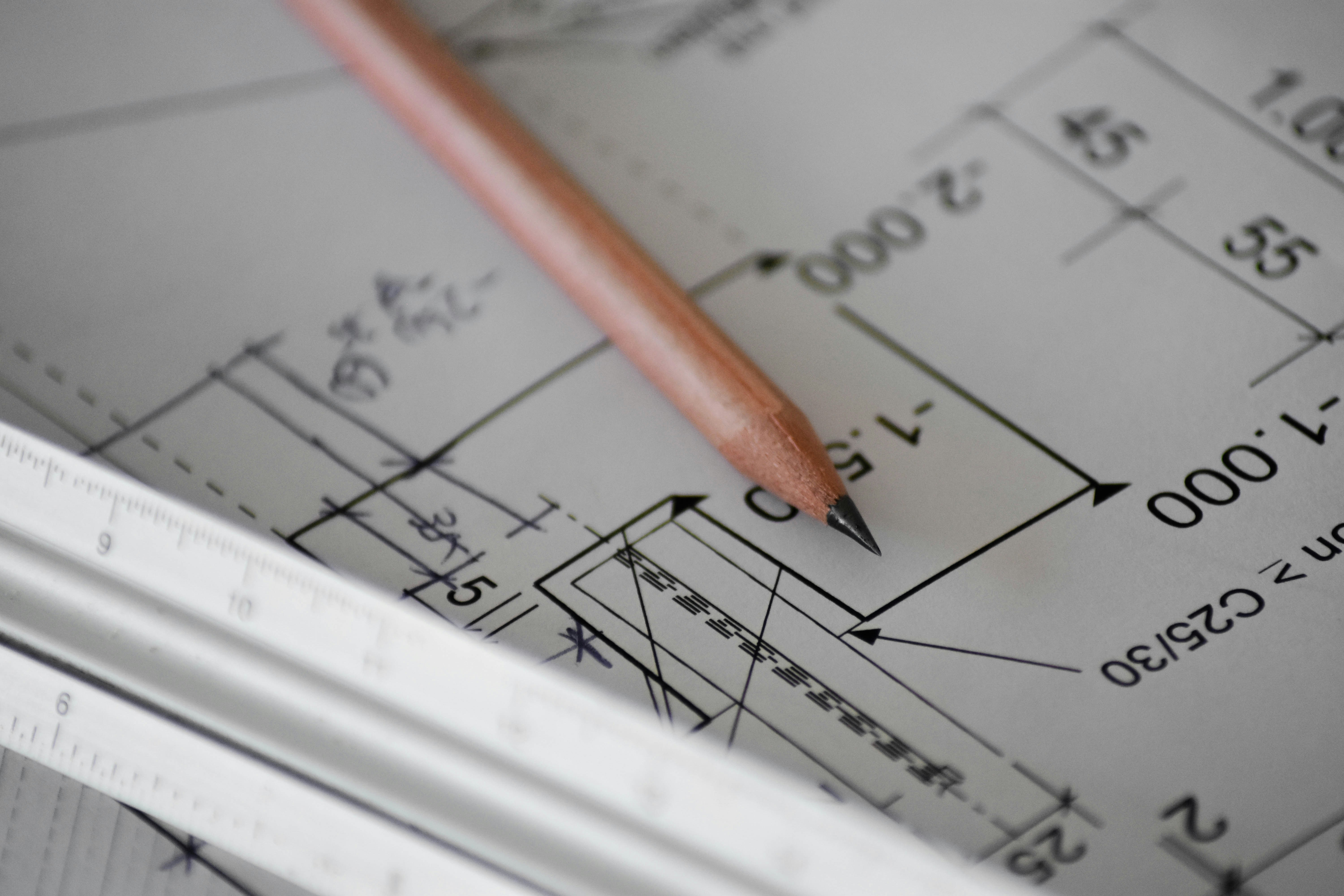
Introduction to As-Built Drawings
As-built drawings are crucial references in the architectural and construction industries. They represent the final specifications of a building, detailing any modifications made during the construction process. Understanding how these drawings can impact leasable square footage (sf) is essential for property owners and investors.
The Value of Accurate As-Built Representations
One of the main benefits of as-built drawings is that they often convey a clearer picture of what is actually built compared to initial designs. In many cases, discrepancies in dimensions or spaces can occur, leading to confusion about the potential leasable square footage. When property owners utilize accurate as-built drawings, they may find that they have more usable space than initially thought, ultimately translating to increased revenue opportunities.
Impacts on Lease Assessment
It is important for owners and real estate professionals to consider how as-built drawings can influence lease assessments. By providing detailed layouts and structural specifics, these drawings help in evaluating the actual space available for tenants. This intel can be especially important when negotiating lease terms, as it may allow for adjustments to rental rates based on the newfound leasable square footage.
In conclusion, while as-built drawings are often overlooked, they can indeed provide more leasable sf for owners. This added clarity not only aids in maximizing property potential but also ensures that both owners and tenants have a clear understanding of the actual usable space within a building.